
Truist Physician Mortgage: A Premier Home Loan Solution for MD, DO, DDS, DPM, Residents & Fellows

Dr. Home Finance

TLDR
Truist’s physician mortgage is designed for doctors in major career transitions, offering flexible underwriting that accounts for future income, student debt, and limited savings during training.
The program provides high loan-to-value options (including up to 100%), no PMI, flexible student loan treatment, and the ability to close before employment begins with a qualifying contract.
It supports a wide range of medical professionals—including residents, fellows, and attendings—and allows strategic decisions around liquidity, reserves, and debt-to-income ratios.
Mike Fitzmeyer’s experience and disciplined approach—focused on eliminating surprises, reviewing contracts early, and advising on financial strategy—helps physicians navigate complex lending scenarios with confidence.
Connect with a physician mortgage specialist at Truist Bank to get started
If you’re searching for a Truist physician mortgage, you’re likely in one of the biggest transitions of your career.
New contract signed.
Residency wrapping up.
Fellowship relocation.
First attending role.
For MDs, DOs, DDS professionals, DPMs, residents, fellows, and interns, buying a home isn’t just about affordability — it’s about timing, underwriting flexibility, and working with a lender who understands physician-specific scenarios.
At Truist Financial Corporation, the physician mortgage program is built specifically to address those realities.
And when paired with experienced leadership like Mike Fitzmeyer, it becomes a powerful financing strategy.
What Is a Truist Physician Mortgage?
A Truist physician mortgage is a portfolio home loan designed for:
MD (Doctor of Medicine)
DO (Doctor of Osteopathic Medicine)
DDS / DMD (Dentists)
DPM (Podiatrists)
Residents
Fellows
Interns with signed contracts
Newly practicing attendings
Unlike conventional loans, physician mortgage programs are structured to accommodate:
High student loan balances
Future-dated employment contracts
Limited savings during training
Professional income growth trajectory
These loans are typically held in Truist’s portfolio, which allows for more flexibility than traditional secondary-market conventional mortgages.
Key Benefits of the Truist Doctor Loan Program
While specific structures vary by market and borrower profile, Truist physician mortgage features commonly include:
High loan-to-value financing (including options up to 100%)
No private mortgage insurance (PMI)
Flexible student loan treatment
Ability to close before employment begins (with qualifying contract)
Competitive ARM and fixed-rate options
For residents and fellows transitioning into attending roles, this structure can be the difference between waiting years to buy and moving forward strategically.
Why Experience Matters: Mike Fitzmeyer at Truist
A physician mortgage is only as strong as the team executing it.
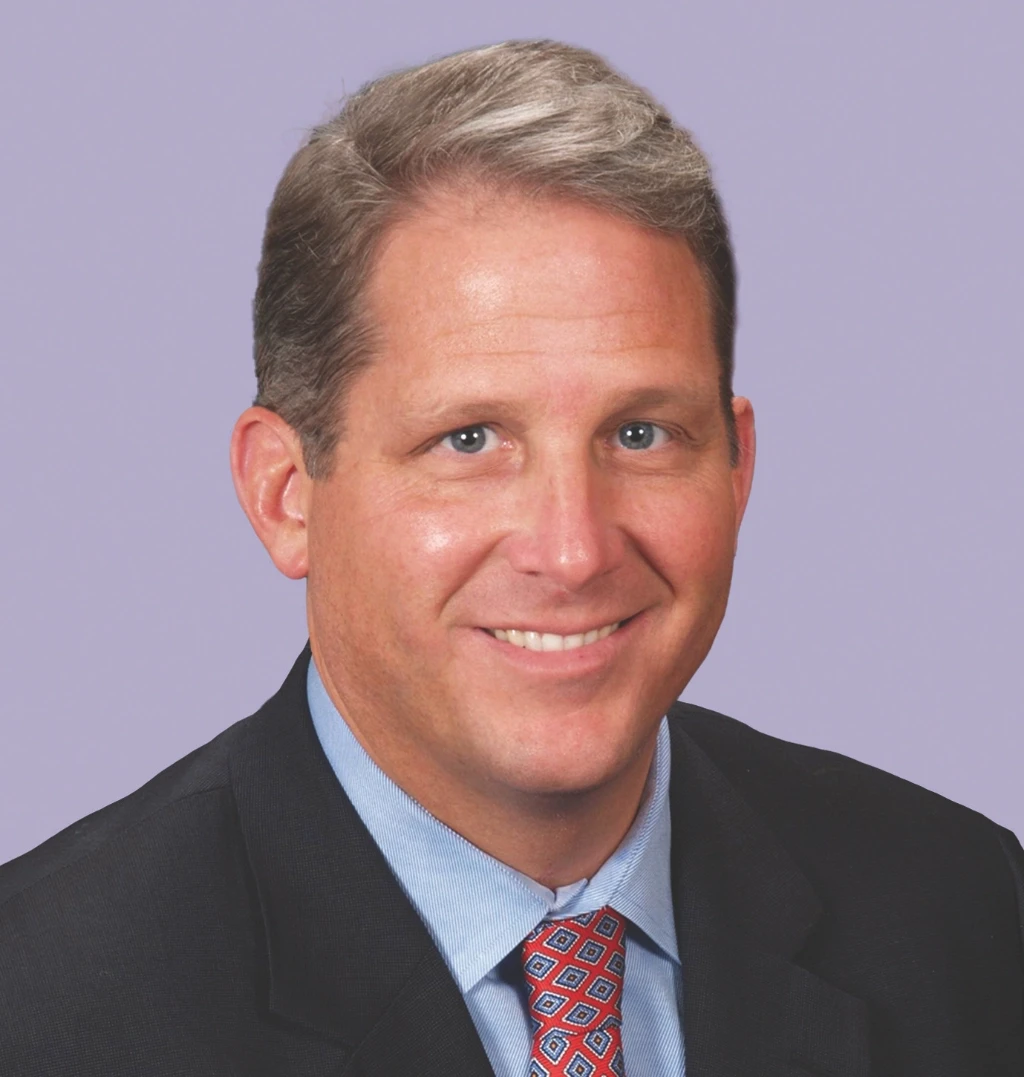
Mike Fitzmeyer has more than 30 years of banking experience and has led mortgage origination teams since 2003. A consistent Top Producer and Platinum Excellence Award winner, Mike brings discipline, preparation, and a conservative financial philosophy to physician lending.
He has structured loans for:
Residents buying during training
Fellows relocating for subspecialty positions
New MD/DO attendings with future-dated contracts
DDS professionals purchasing near new practice locations
DPM physicians transitioning into hospital systems
His approach is simple: eliminate surprises before they happen.
How Truist Handles Future-Dated Contracts
One of the most searched questions around physician mortgages is:
“Can I close before I start my job?”
In many cases, yes — with guardrails.
Truist’s physician mortgage program can allow closing prior to employment start date, provided:
The contract is fully executed
Contingencies are cleared
Start date falls within approved guidelines
Licensing requirements are aligned
This is especially critical for interns finishing training and fellows stepping into attending positions.
Early lender review is key.
Smart Strategy: Reserves & Debt-to-Income
Truist physician mortgages often allow up to 45% debt-to-income ratio.
However, experienced lenders like Mike frequently advise staying closer to 40% when possible — especially for new attendings facing lifestyle adjustments, daycare costs, and relocation expenses.
Reserves matter too.
While minimum requirements may allow fewer months, targeting six months of post-closing reserves provides meaningful financial cushion.
Liquidity gives physicians flexibility.
Down Payment Strategy: 5% vs 100% Financing
Many MDs, DOs, DDS professionals, and DPM borrowers ask:
“Should I put money down or preserve cash?”
The answer depends on overall liquidity.
If putting 5% down leaves minimal reserves, 100% financing may be the smarter move. Physician mortgage programs at Truist often carry only modest pricing adjustments between high and full financing tiers.
And once cash is in the house, it’s not easily accessible.
Strategic liquidity often outweighs marginal rate differences.
Comparing Truist to Other Physician Mortgage Lenders
When evaluating a Truist physician mortgage, doctors should compare:
Maximum loan limits at each financing tier
Reserve requirements
1099 income handling
Condo eligibility rules
Visa eligibility
Underwriting interpretation standards
Not all “doctor loans” are structured the same.
Portfolio lending strength combined with experienced physician-specific underwriting can significantly reduce approval risk.
Builder Incentives vs. Truist Physician Mortgage
For doctors purchasing new construction, builder lenders often advertise incentives.
In some cases, those incentives are competitive. In others, using a Truist physician mortgage may offer stronger long-term flexibility — and builder credits can sometimes still be negotiated.
The key is reviewing options early before signing with a builder-affiliated lender.
Who Should Consider a Truist Physician Mortgage in 2026?
A Truist physician mortgage may make sense if you are:
First or subsequent attending role
A DDS purchasing near a new practice
A DPM transitioning into hospital employment
A resident planning to remain in one location for several years
A fellow with a signed contract and defined start date
An attending MD or DO within 15 years of completing training who still carries significant student debt or limited savings for a traditional down payment
However, buying during residency or fellowship may not make sense if relocation is likely within three years.
Balanced planning always wins.
Final Thoughts: Is a Truist Physician Mortgage Right for You?
The best physician mortgage isn’t just about rate.
It’s about:
Structure
Timing
Liquidity
Underwriting flexibility
And experienced execution
With the backing of Truist Financial Corporation and leadership from seasoned professionals like Mike Fitzmeyer, the Truist physician mortgage program offers a strategic option for MDs, DOs, DDS professionals, DPMs, residents, fellows, and interns navigating one of the biggest financial transitions of their careers.
If you’re considering buying in 2026, the smartest move isn’t rushing into an offer.
It’s starting the conversation early.
Tags: